Home Gym Equipment Reviews and Buying Guides
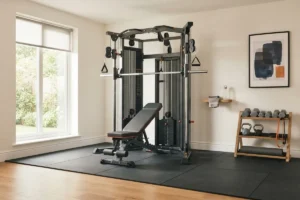
Explore home gym equipment for spare rooms, garages, apartments, and multipurpose workout spaces. Gym Gear Pilot reviews home gym systems, including all-in-one home gyms, compact home gyms, and folding gym equipment, by training coverage, resistance options, user fit, stability, footprint, storage, assembly, warranty, and overall value. Our home gym buying guides and comparisons help you evaluate machines without relying on marketing claims alone. Whether you want one station for several exercises or home workout equipment that stores between sessions, use our independent coverage to narrow your options according to training goals, available space, household needs, upgrade plans, and budget.
How to Choose Home Gym Equipment
Start with the exercises your program requires and the room available. List the movement patterns and resistance range you need, including future progression. Compare adjustments, operating clearances, storage, assembly, maintenance, warranty, and total ownership cost.
Measure the complete workout area. Record ceiling height, access routes, outlets, and the space needed to use every station. Published footprints may exclude bench travel, cable paths, plate loading, or moving arms. Check the current manual and delivery requirements.
Compare Home Gym Equipment Categories
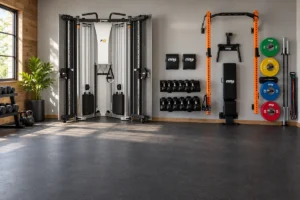
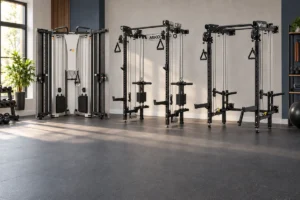
All-in-one home gyms combine several stations or cable positions in one structure, but exercise coverage and adjustments vary. Compact home gyms prioritize a smaller footprint. Their value depends on usable motion, stability, and fit for every user.
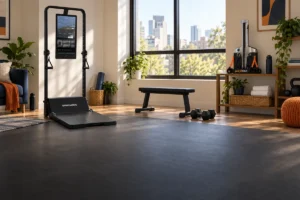
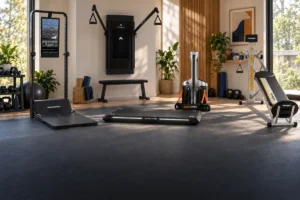
Folding gym equipment can help in shared rooms. Compare operating and folded dimensions, locking hardware, setup steps, installation requirements, and pinch points. Browse All-in-One Home Gyms, Compact Home Gyms, and Folding Gym Equipment for focused guides. For broader strength and cardio categories, visit Gym Equipment.
Home Gym Equipment Types at a Glance
| Category | Common fit | Compare first |
| All-in-one home gym | Broad exercise coverage in one station | Exercise list, resistance, adjustments, footprint |
| Compact home gym | Smaller dedicated workout areas | Usable motion, user fit, stability, clearances |
| Folding equipment | Shared rooms and storage between sessions | Operating size, folded size, locks, setup steps |
Training Coverage and Resistance Options
Compare the exercise list with your program. Manufacturer counts may treat small changes in grip, stance, or cable height as separate movements, so the number alone does not show useful coverage. Review each required exercise and confirm a comfortable starting position and controlled range of motion.
Resistance may come from weight stacks, plates, bands, rods, body weight, or a combination. Listed resistance is not directly comparable across every machine because pulley ratios, lever arms, and movement geometry change the force felt. Examine adjustment increments, starting resistance, maximum load, expansion options, and the instructions for each station.
User Fit Adjustments and Exercise Setup
Seat height, back-pad angle, cable position, press-arm settings, footplate placement, and handle reach affect setup. Compare the adjustment range with everyone who will use the system. A machine can fit within a room yet restrict motion near a wall. Dimensions and weight limits guide screening, but do not guarantee suitable fit.
Frame Stability Capacity and Construction
Review frame materials, joints, base width, fasteners, cable routing, upholstery, and floor contact points. User and load capacities are safety limits, not proof of stability in every exercise. Follow anchoring requirements. When independent testing is unavailable, treat manufacturer specifications as product claims and check documentation, replacement parts, and warranty terms.
Floor Space Ceiling Height and Storage
Create a scaled floor plan with the machine in every operating position. Allow space for cables, moving arms, benches, plates, and safe access. Check ceiling height for pull-up bars and overhead movements. For folding gym equipment, confirm folded depth, movement direction, conversion steps, and accessory storage.
Cables Pulleys Attachments and Upgrades
Cable travel, pulley height, handles, and attachment points determine how a home gym system adapts to different exercises. Check cable tracking and the steps needed to move pins, clips, seats, or pulleys. Proprietary attachments may simplify compatibility but limit future choices or raise replacement costs.
If you expect to expand the setup, verify the manufacturer’s approved weight-stack additions, plate adapters, benches, bars, handles, and storage options. Do not assume that a similarly shaped third-party attachment is safe or compatible. Include accessory prices and storage space when comparing the initial cost of the machine.
Flooring Noise and Power Requirements
Use stable, level flooring and confirm floor-load considerations for heavy systems. Follow surface and anchoring instructions. Mats can protect a finished floor, but thickness and softness may affect stability. Compare cable noise, stack contact, moving joints, and electrical or connectivity requirements before placing equipment near living areas.
Delivery Assembly Maintenance and Ownership Costs
Check packaged dimensions, shipment weight, delivery method, room access, assembly time, tools, and staffing needs. Some systems require professional installation. Long-term costs may include lubrication, replacement parts, upholstery care, batteries, subscriptions, and proprietary accessories. Warranty coverage can differ for the frame, moving parts, cables, electronics, labor, and normal wear.
Home Gym Equipment Safety
Assemble and operate the system according to the current manual. Use required anchors, guards, pins, collars, and safety stops. Inspect cables, pulleys, fasteners, welds, pads, folding joints, and locking mechanisms on the schedule provided by the manufacturer. Keep children and pets away from moving parts and stored weights. Stop using equipment that shifts, binds, frays, cracks, loosens, or no longer locks securely.
Use controlled resistance, seat pins and attachments fully, keep the area clear, and respect every user and load limit. Open and secure folding systems exactly as instructed.
How Gym Gear Pilot Reviews Home Gym Equipment
Gym Gear Pilot evaluates home gym equipment by intended use, exercise coverage, resistance design, adjustment range, user fit, stability, operating space, storage, assembly, maintenance, warranty, and value. We separate published specifications from editorial analysis and explain when coverage relies on manufacturer information rather than hands-on testing. Prices, features, availability, and warranty terms can change, so verify the current product page and manual before buying.
Affiliate Disclosure
Gym Gear Pilot may earn a commission when readers purchase through qualifying links, at no additional cost to the buyer. As an Amazon Associate I earn from qualifying purchases. Affiliate relationships do not determine our editorial conclusions or product rankings.
Medical disclaimer: This content is for general educational information only and is not medical advice. Consult a qualified healthcare professional before beginning or changing an exercise program, especially if you have a health condition, injury, symptoms, mobility concern, or questions about whether specific equipment or exercises are appropriate for you.