Buying Guides
Buying gym equipment often starts with a question that product listings cannot answer: will this work for the way you train? A treadmill may meet your budget yet take up too much usable floor space. A weight bench may have several adjustment positions but sit at the wrong height for your setup. Our gym equipment buying guides explain the decisions behind a purchase so you can compare options with a clear set of priorities.
Use these guides to learn what to measure, which specifications to verify, and where common compromises appear. They cover strength equipment, cardio machines, home gym systems, functional training gear, and accessories. Once you understand the category, a product review can help you examine a specific model, while a comparison can clarify differences between two close choices.
Start With Your Training Goals and Available Space
Before browsing products, list the exercises you want to perform now and those you are likely to add. A person training mainly with dumbbells needs a different setup from someone who plans to squat with a barbell or use a rowing machine several times a week. Your buying priorities should follow the workouts you will actually do, not the number of features on a product page.
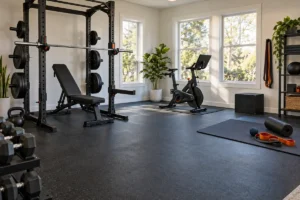
Measure the usable training area, not just the space where equipment will sit. Leave room to enter and exit a machine, change plates or attachments, move through an exercise, and store gear safely. Check ceiling height for pull-ups, overhead presses, and taller racks. If you share a room or live in an apartment, also consider noise, flooring, storage, and whether the product must be moved after each session.
How Our Home Gym Buying Guides Help You Compare
A useful home gym buying guide turns broad product categories into practical criteria. For each type of equipment, focus on these questions:
- Function: Which exercises and training levels can the product support, and where does its usable range end?
- Fit: What are its assembled, operating, and storage dimensions? What clearance does it require?
- Adjustment: Are weight changes, seat positions, attachments, or resistance settings easy to use in a normal workout?
- Compatibility: Will it work with your existing plates, barbell, flooring, attachments, outlet, or training area?
- Ownership costs: What do shipping, assembly, replacement parts, maintenance, and optional accessories add to the total price?
The order of these questions changes with the product. A weight bench depends heavily on stability and adjustment range. A walking pad raises more questions about deck size, storage, noise, and intended speed. A cable machine requires attention to resistance, pulley positions, attachments, and the space needed around it. Our guides put category-specific details in context so you can decide which features deserve a place on your shortlist.
Strength Equipment Buying Guides
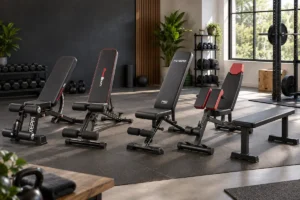
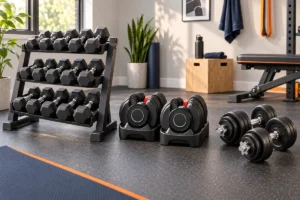
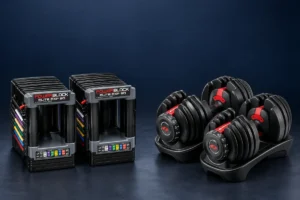
Strength equipment buying guides cover adjustable dumbbells, dumbbell sets, weight benches, power racks, barbells, plates, kettlebells, and other tools for resistance training. Weight increments and maximum load matter, but so do handle comfort, storage, ease of adjustment, and compatibility with your planned exercises. For a rack, verify the actual footprint, height, hole spacing, safety options, and manufacturer load guidance before considering extra attachments.
If you are choosing between a compact and a larger setup, think about how often you will use each station. A versatile item can save space, but it may also impose setup time or limit movement. Our how to choose gym equipment articles help you identify those tradeoffs before paying for capacity or features you may not need.
Cardio Equipment and Home Gym Systems
Cardio equipment buying guides address the fit between a machine and the workout you want. Treadmills and walking pads differ in deck size, speed range, storage, and expected use. Exercise bikes, rowers, and ellipticals have their own questions about body fit, resistance, maintenance, and how much room you need while exercising. Check the exact model’s current specifications because a similar model name does not guarantee the same dimensions or features.
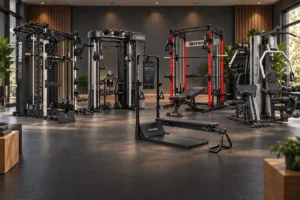
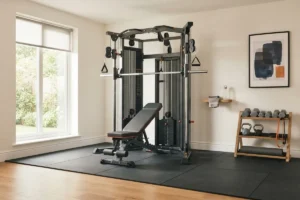
All in one and compact home gym systems bring several exercises into one footprint. Compare the movements available, adjustment steps, resistance range, attachment costs, and the space required when the machine is in use. A compact appearance in a photo may not show the working area needed for cables, benches, or full arm movement.
Accessories Storage and Recovery Gear
Smaller purchases deserve clear criteria too. Mats should suit the floor and type of equipment placed on them. Weight storage should fit the size and number of plates or dumbbells you own. Belts, straps, wraps, and collars should be checked for sizing or compatibility rather than selected by appearance alone. Recovery products call for attention to controls, ease of use, cleaning, and manufacturer instructions. They do not replace individual medical advice.
Buying only what solves a current training problem can keep a home gym manageable. If an accessory is optional for your routine, compare its benefit with the cost and the room it will occupy. Our guides explain where an inexpensive addition is useful and where it makes sense to wait.
Build a Shortlist Before You Buy
Start with a budget that includes delivery and any essential accessories. Choose three requirements you cannot compromise on, such as a maximum footprint, a specific weight range, or an adjustment you need for your workouts. Then compare a small number of models against those same requirements. Remove products that fail the basics before spending time on cosmetic differences or extra features.
For each finalist, read a focused review and compare close alternatives. Before ordering, confirm the exact model, included parts, published load limits, warranty, delivery conditions, and returns with the seller. Prices and terms may change, so verify them on the current listing.