Strength Equipment Reviews & Buying Guides
Explore strength equipment for home gyms, garage gyms, and dedicated training spaces. Gym Gear Pilot reviews and compares adjustable dumbbells, dumbbell sets, weight benches, power racks, squat racks, barbells, weight plates, kettlebells, cable machines, and Smith machines. Our guides focus on construction, stability, load capacity, adjustability, safety features, footprint, warranty coverage, and long-term value. Whether you are starting a compact home gym or upgrading a complete strength training setup, use our buying guides, product reviews, and comparisons to find equipment that matches your goals, available space, training experience, and budget.
How to Choose Strength Equipment for Your Training Space
The best weightlifting equipment should support the exercises you perform most often without overwhelming your room or budget. Before buying home gym strength equipment, define your training priorities: general fitness, muscle building, powerlifting, functional strength, or a combination of goals. Then compare usable weight range, dimensions, adjustability, storage, user capacity, safety features, assembly requirements, and expected maintenance. Equipment that looks impressive online may still be a poor fit if it restricts movement, exceeds the available floor space, or cannot grow with your training.
Gym Gear Pilot organizes strength training equipment into focused product categories so you can move from broad research to relevant reviews and comparisons. Use the sections below to find the type of equipment that best matches your program.
Explore Strength Equipment Categories
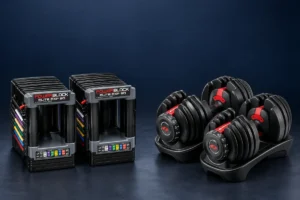
- Adjustable Dumbbells — Compare space-saving dumbbells with selectable weight systems for progressive home workouts.
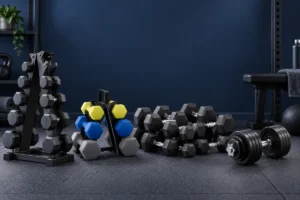
- Dumbbell Sets — Explore fixed-weight sets for organized, fast-paced strength training and shared workout spaces.
- Weight Benches — Find flat, adjustable, folding, and heavy-duty benches for pressing and accessory exercises.
- Power Racks — Evaluate rack stability, hole spacing, safety systems, attachments, dimensions, and weight capacity.
- Squat Racks — Compare compact stands and open racks for squats, presses, and barbell training.
- Barbells — Choose bars by intended use, tensile strength, knurling, sleeve design, and load rating.
- Weight Plates — Review iron, rubber-coated, and bumper plates for lifting style, noise, durability, and storage.
- Kettlebells — Explore fixed and adjustable kettlebells for swings, carries, presses, and full-body conditioning.
- Cable Machines — Compare functional trainers and cable stations by pulley ratio, range, attachments, and footprint.
- Smith Machines — Assess guided-bar systems, safety stops, included stations, movement path, and space requirements.
What Gym Gear Pilot Evaluates
Our strength equipment reviews look beyond feature lists. We consider materials and construction, stability during normal use, adjustment speed, usable range, ergonomics, safety provisions, required clearances, assembly, storage, warranty terms, and value compared with similar options. We also explain trade-offs: compact equipment may save space but offer fewer exercise options, while commercial-style equipment may provide greater stability but require more room and a higher budget.
Build Around Your Goals, Space, and Budget
There is no single best setup for every lifter. A beginner in an apartment may benefit from adjustable dumbbells and a folding bench, while a garage gym focused on barbell training may require a rack, barbell, plates, flooring, and storage. Begin with the equipment that supports your core exercises, verify product dimensions and user limits, and add accessories only when they improve how you train. Use Gym Gear Pilot’s strength equipment buying guides, individual product reviews, and comparisons to create a practical setup that can develop with you over time.